Last updated October 30, 2026
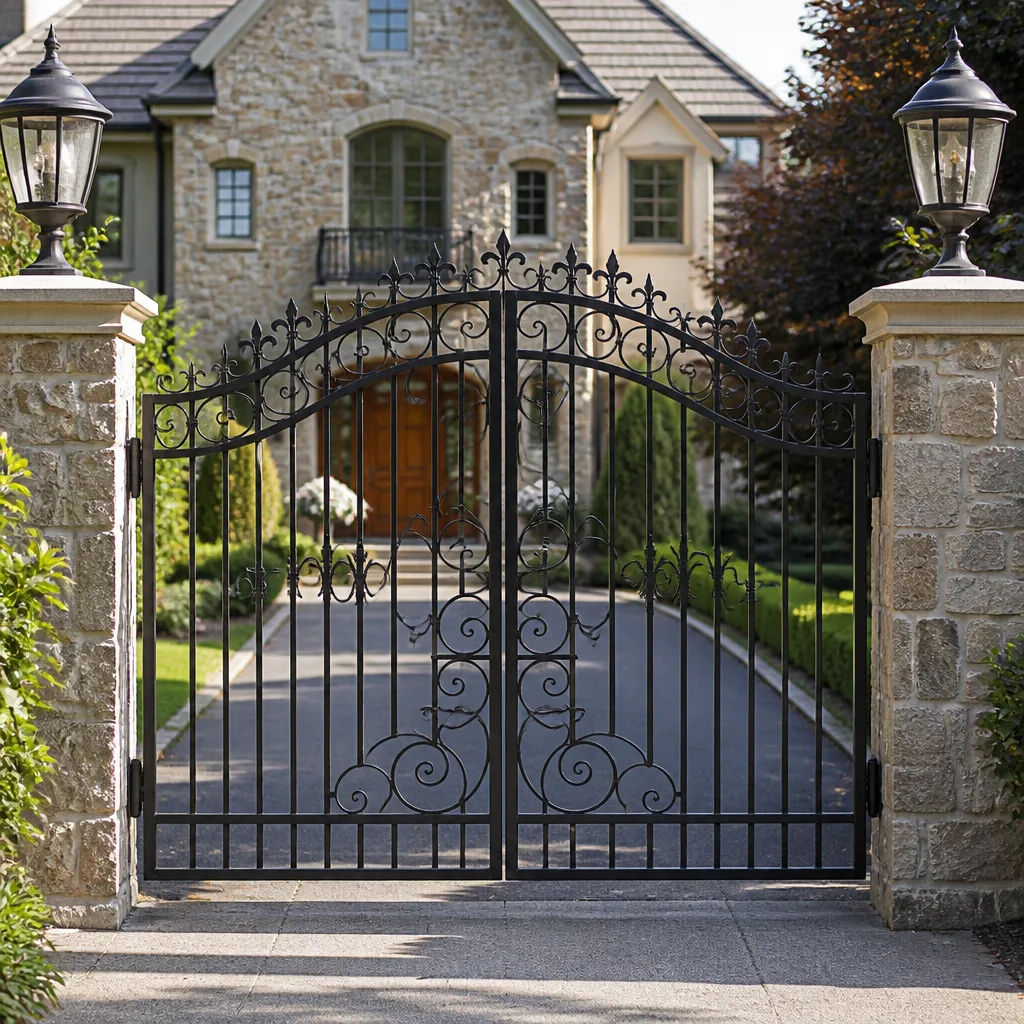 Wrought iron
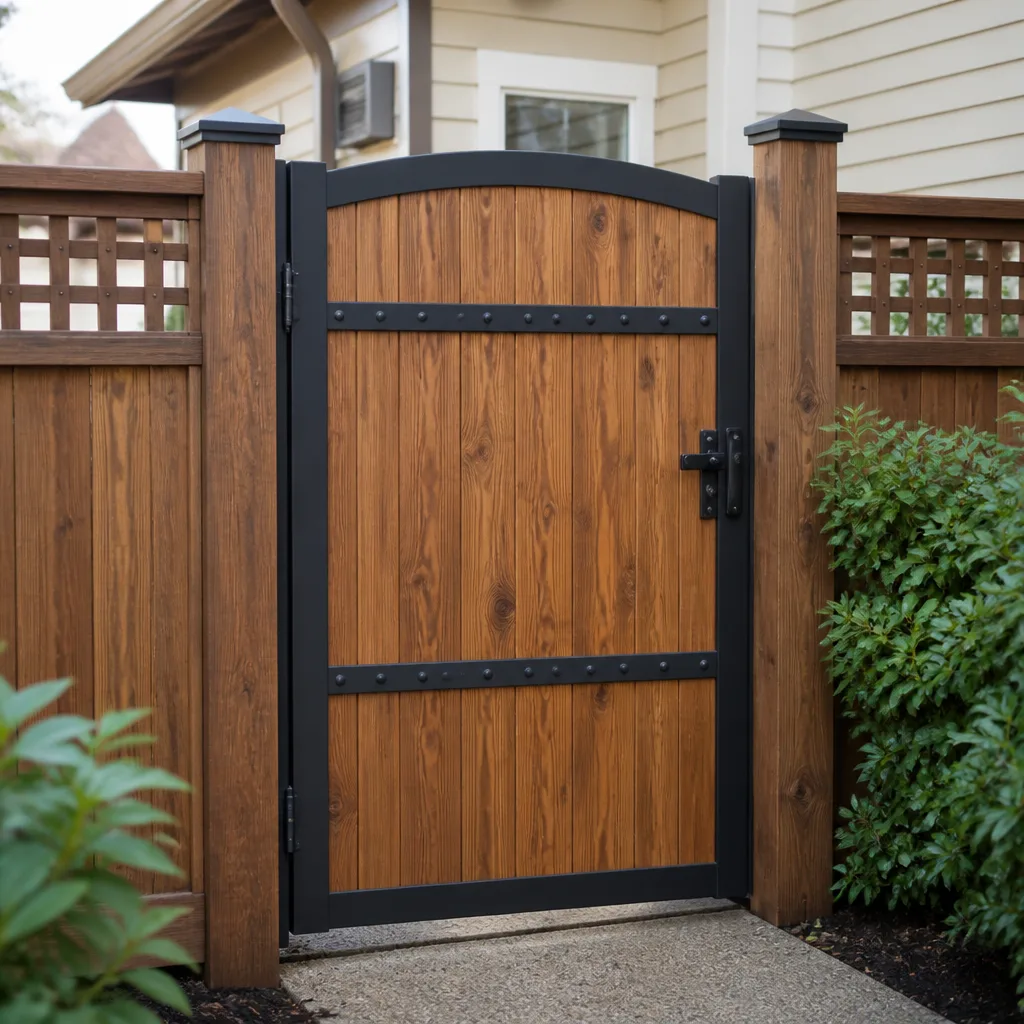 Wood & steel frame
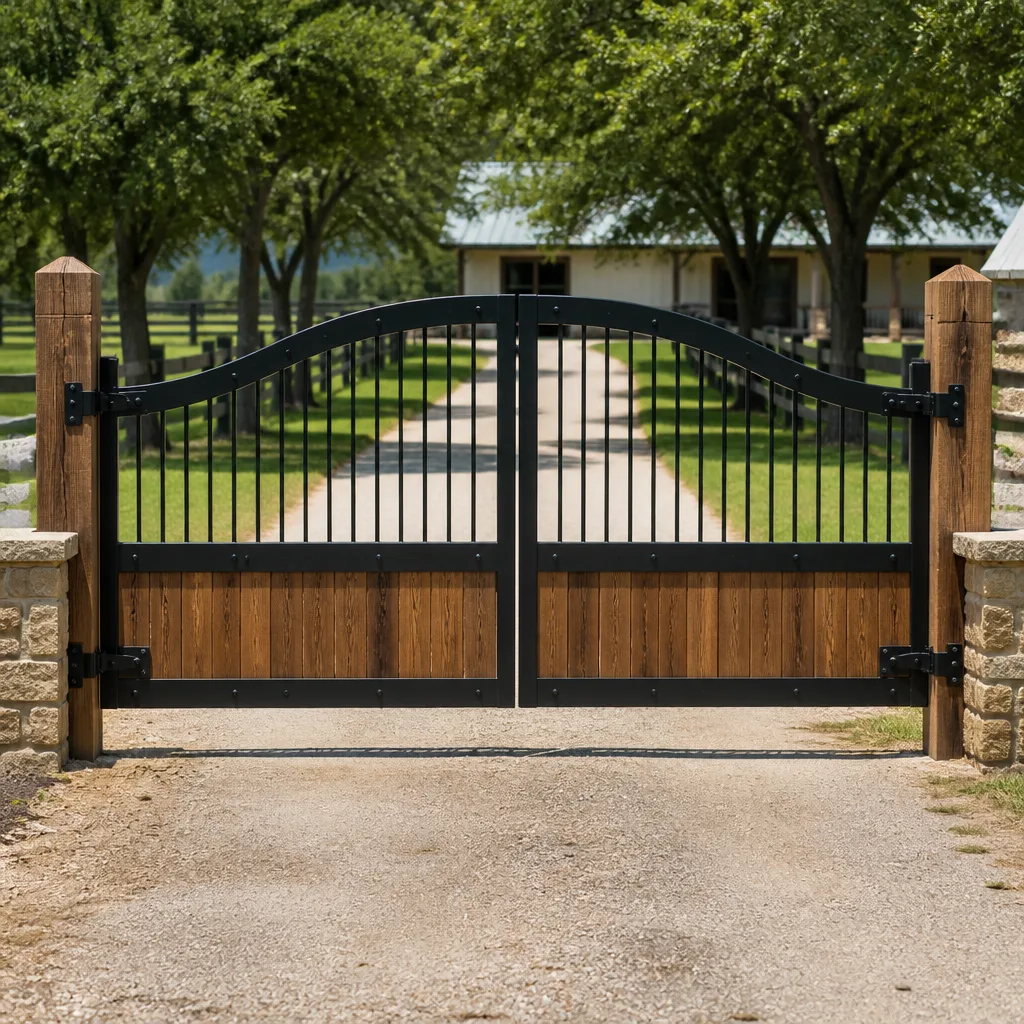 Farm & ranch
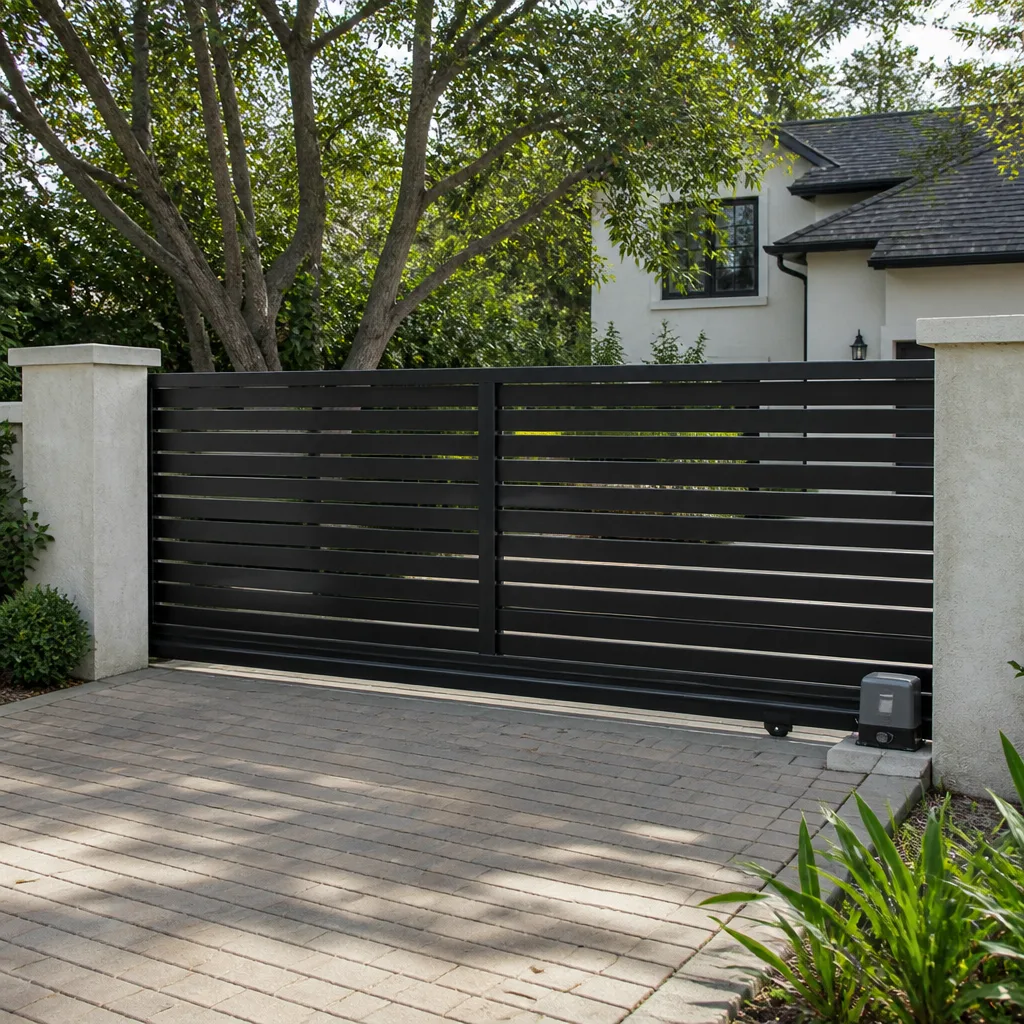 Sliding driveway gates
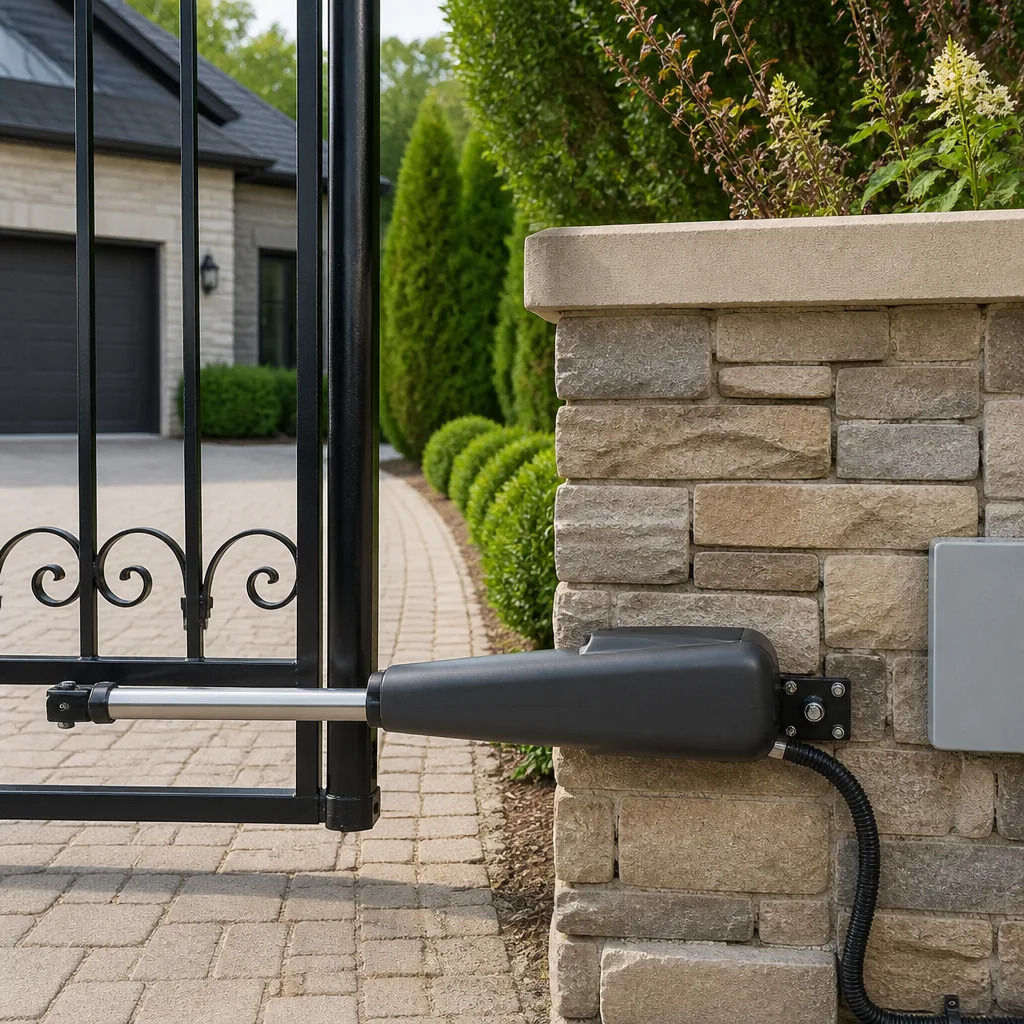 LiftMaster operators
Free on-site gate assessment - hinges, posts, and your LiftMaster or Nice gate operator checked before anything is quoted
The assessment is free and the quote is the invoice.
Get your free estimateChoosing the Right Gate Repair Brand: A Buyer’s Guide for Daytona Beach
LiftMaster makes excellent gate operators, but their standard residential swing arm wasn’t designed for a 400-lb ornamental iron gate in salt air, and no amount of maintenance will change that physics. In Daytona Beach, where humidity hovers above 70% most of the year and salt spray travels miles inland, brand choice isn’t a preference question. It’s a survival question for your gate system. This guide walks through the nine major gate operator brands we service, rated for coastal Florida conditions, so you can match engineering to environment instead of buying whatever the big-box store happens to stock. For The Complete Gate Repair Guide for Daytona Beach Homeowners, see our dedicated resource.
Quick Answer
The best gate operator brand in Daytona Beach depends on your gate type, weight, and daily cycle count, not on brand popularity. For most residential swing gates under 300 lbs within three miles of the coast, we recommend LiftMaster or Ghost Controls. For heavy ornamental iron gates or commercial use, FAAC and BFT hydraulic operators outperform everything else in salt air, and the higher upfront cost pays for itself over a 10-year horizon.
Styles & brands we work with
Table of Contents
- Brand-by-Brand Breakdown: The Nine Operators Rated for Coastal Florida
- Matching Operator Class to Real Usage: Why Most Buyers Underspec
- Parts Availability in Volusia and Flagler Counties: What Fails and What’s Stocked Locally
- Warranty Language Differences That Actually Matter
- Hydraulic vs. Electromechanical: The FAAC Advantage Explained
- Common Mistakes to Avoid
- When to Call a Professional
- Frequently Asked Questions
Brand-by-Brand Breakdown: The Nine Operators Rated for Coastal Florida
We repair all nine of these brands daily across Volusia and Flagler counties. Here’s what actually holds up in Daytona Beach’s salt-laden air, and what doesn’t. Our technicians carry parts for most of these on the truck, because when a control board dies on a Thursday afternoon, “we can order it” isn’t an answer anyone wants to hear.
FAAC: The Commercial Hydraulic Standard
FAAC builds hydraulic operators, and that single design decision changes everything in coastal Florida. Hydraulic systems run their moving components in sealed oil baths, which means salt air doesn’t reach the parts that wear. We see FAAC operators in Daytona Beach that have run 15 years with nothing but fluid changes and occasional limit-switch adjustments. The 400-series swing operator and the 750-series slide operator dominate gated communities from Ormond Beach to Port Orange. You’ll pay more upfront, typically 30-50% more than a comparable electromechanical unit, but the maintenance curve is dramatically flatter. For commercial property managers running 200+ cycles a day, FAAC is the first brand we recommend without hesitation.
LiftMaster: The Residential Workhorse, With Caveats
LiftMaster owns the residential and light-commercial market for good reason: the LA400 and LA500 swing operators are reliable, parts are everywhere, and most techs know them well. But the coastal caveat is real. The standard residential units use zinc-plated hardware and exposed limit switches that corrode faster within two miles of the Atlantic. If you’re on beachside Daytona or in a canal-front community, we recommend stepping up to the CSL24V or CSW24V commercial-grade units even for residential use. The stainless hardware and sealed control box make a measurable difference. For inland Daytona Beach homes, standard LiftMaster units perform well for 8-12 years with regular service.
Mighty Mule: Entry-Level, With Honest Limits
Mighty Mule dominates the DIY and entry-level market because the price point is approachable and installation is genuinely simple. The MM series swing operators work fine for lightweight tube gates under 250 lbs in low-cycle situations, maybe 10-15 cycles a day. But in Daytona Beach’s environment, the exposed control board and plastic limit cams fail early. We replace more Mighty Mule boards than any other residential brand, usually at the 2-4 year mark beachside. If your gate is ornamental iron, over 300 lbs, or cycles more than 20 times daily, Mighty Mule is the wrong tool. For a simple driveway gate on a lot that’s a mile or more inland, it remains a budget-conscious choice that we service regularly.
DoorKing: The Slide Gate Specialist
DoorKing builds for commercial slide gates first, and it shows. The 9100 and 9150 slide operators are among the most durable electromechanical units we work on, and their parts network is deep. In Daytona Beach’s commercial corridors on Nova Road and International Speedway Boulevard, DoorKing is everywhere: self-storage facilities, industrial lots, and apartment complexes all favor it. The weakness is the same coastal issue: exposed limit switches and the electrical enclosure gaskets need regular inspection. For residential slide gates, DoorKing is overkill unless your gate exceeds 40 feet or weighs more than 1,000 lbs, but for commercial access control, it’s a top-three brand in our book.
Viking: American-Built and Heavily Overbuilt
Viking builds in the United States, and their operators reflect a “make it heavy, make it serviceable” philosophy. The VIV and VIS line features replaceable limit switches, a modular board design, and motors that can be rebuilt rather than replaced. For Daytona Beach’s coastal environment, the powder-coated steel enclosures hold up better than the painted steel used by some competitors, and the through-door design means techs can access components without dismantling the entire operator. Viking’s price point sits between LiftMaster residential and FAAC commercial. For heavy ornamental iron gates in beachside communities where weight and exposure are both high, Viking earns its place as our second recommendation behind FAAC.
US Automatic: The Sun-Exposure Champ
US Automatic builds solar-ready operators, and that’s their niche in Florida. The Sentry 300 and Patriot models come with robust battery backup and solar inputs that handle Daytona Beach’s frequent afternoon thunderstorms without losing gate function. The downside: their board designs are less intuitive for diagnostics than LiftMaster or FAAC, and parts distribution in Volusia County isn’t as fast. If your gate is on a large property where running utility power is expensive, US Automatic deserves a close look. For most other applications, the brands above edge it out on parts availability and installed service network.
Ghost Controls: The Value Pick With Real Durability
Ghost Controls positioned itself as the “better Mighty Mule,” and on balance, we agree. The durable metal gearbox, weather-resistant board housing, and genuinely useful app integration make Ghost Controls a strong value for residential swing gates up to 450 lbs. In Daytona Beach, we’ve seen Ghost Controls units survive 5-7 years beachside where Mighty Mule failed in 3, though the difference narrows if the operator sits in direct sun without any cover. For automated gate repair in Flagler Beach and coastal Daytona, Ghost Controls is the entry-level brand we’re most comfortable recommending.
Linear: The Multi-Family Standard
Linear dominates multi-family and light-commercial access control, particularly in Daytona Beach’s condominium and apartment market. The LDO and GTO lines integrate cleanly with Linear’s access-control ecosystem, which makes them the default choice for communities using Linear gate entry keypads and telephone entry systems. The operators themselves are mid-grade electromechanically, comparable to LiftMaster’s commercial line, but the ecosystem advantage is real: one vendor, one service tech, one phone number when something fails. For HOAs and apartment properties in the Daytona Beach area, Linear’s integration story often outweighs any raw durability differences.
Eagle: Niche Durability for Heavy Iron
Eagle builds residential operators specifically for heavy ornamental iron gates, filling the gap between standard residential units and commercial operators. The 2000X and All-O-Matic lines handle gate weights that would burn out a standard LiftMaster residential arm within a year. In Daytona Beach’s historic beachside neighborhoods, where 400-lb custom iron gates are common, Eagle operators solve the weight problem at a lower price point than FAAC. The trade-off: parts availability is thinner, and fewer service companies stock Eagle components. We’re one of the few companies offering Gate Repair services that regularly services Eagle, and for gate installation involving heavy custom iron, it’s a brand worth knowing.
Matching Operator Class to Real Usage: Why Most Buyers Underspec
The most common and costly mistake we see in Daytona Beach is residential buyers specifying an operator based on household car count. “Three cars, three cycles a day,” they tell us. Then the reality kicks in: Amazon delivers multiple times weekly, the pool company comes through, landscaping trucks arrive, and that gate is actually cycling 25-40 times a day with vehicles weighing far more than a sedan. Most residential operators are rated for 15-20 cycles per day maximum continuous duty. Exceed that consistently, and the motor windings overheat, the capacitor fails, and the board follows.
- Count every vehicle, not just household cars. Delivery vans, service trucks, guest cars, and contractors all count. If your gate opens 30+ times daily, you need light-commercial class or better.
- Weigh the gate, don’t guess. An ornamental iron gate with decorative scrollwork can weigh 400-600 lbs, far exceeding a residential operator’s 300-lb safe working limit. Gate installation specs always list operator capacity, but homeowners rarely match them.
- Factor the wind load. Daytona Beach’s afternoon thunderstorms bring 40-60 mph gusts. A solid-panel gate catches wind like a sail, and the operator must push against that resistance. Hollow tube gates with wind gaps reduce this problem significantly.
- Consider the duty upgrade. Moving from residential to light-commercial class typically costs $400-$900 more upfront. It buys a motor rated for continuous duty, a larger capacitor, and a board designed for heat dissipation. Over 10 years, that’s less than $100 annually for dramatically fewer failures.
In our experience, roughly half of the residential gate failures we diagnose in Daytona Beach trace back to an underspecified operator that was adequate on paper but overwhelmed in practice. The fix is usually a full replacement, because retrofitting an undersized unit to handle real-world loads costs nearly as much as starting over with the right class.
Parts Availability in Volusia and Flagler Counties: What Fails and What’s Stocked Locally
When your gate stops working, the brand question becomes a parts question instantly. A gate that can’t be repaired same-day because a control board is on backorder isn’t a gate problem, it’s a procurement problem. Here’s what we’ve learned about parts availability in the Daytona Beach area, and which brands keep their components moving through local distribution.
- LiftMaster parts: The deepest availability in Central Florida. Boards, limit switches, capacitors, and remotes are stocked at multiple regional distributors, and our trucks carry the most common failure items. Same-day repair is almost always possible.
- FAAC parts: Strong availability through specialized access-control distributors. Hydraulic components and boards are typically 1-2 days out if not stocked locally, which is why we carry common FAAC boards on the truck.
- DooKing parts: Good availability through commercial gate distributors. Slide-gate components are well-supported, though specialty parts may take 2-3 days.
- Mighty Mule parts: Widely available at retail, which helps for the DIY crowd, but the ecosystem is built for replacement rather than repair. When the board goes, you replace the board and move on.
- Ghost Controls parts: Availability has improved substantially. Boards and remotes are stocked at the major online retailers with fast shipping, and we keep common components on hand.
- Viking, US Automatic, and Eagle parts: Thinner local stock. Expect 3-7 days for specialized components unless a local service company happens to carry them. We stock common Viking and Eagle failure items for our Daytona Beach service area.
The practical takeaway: if same-day repair matters to you, and for most Daytona Beach homeowners with only one driveway, it should, pick a brand with deep local distribution. LiftMaster, FAAC, and DoorKing lead that group in the Volusia/Flagler market.
Warranty Language Differences That Actually Matter
Every gate operator comes with a warranty, but the differences between them are stark once you read past the headline number. Homeowners consistently misunderstand what “residential warranty” covers, and the misunderstanding costs money.
A typical residential operator warranty covers the motor and gearbox for 1-2 years. The control board, which is the component that fails most often in Daytona Beach’s humid, lightning-prone environment, is frequently covered for only 90 days or one year. Some brands, including LiftMaster on their commercial lines, extend board coverage longer, but the difference between “the motor is covered” and “the board is covered” is the difference between a free repair and a $200-$500 part you buy yourself.
Warranty exclusions that surprise Daytona Beach homeowners:
- Lightning damage: Florida is the lightning capital of the United States, and most operator warranties explicitly exclude surge-related failures. Install a surge protector, and know that a direct hit generally voids coverage regardless of brand.
- Salt-corrosion damage: If you live beachside in Daytona Beach or Flagler Beach, some manufacturers limit corrosion coverage or exclude it entirely within a specified distance from salt water. Read the fine print before buying.
- Improper installation: The warranty is void if the operator was installed incorrectly, which means DIY installations often carry no effective warranty at all.
- Gate weight mismatch: If the gate exceeds the operator’s rated capacity, the warranty is void, period. This is the underspecification problem coming back to bite.
What we tell Daytona Beach customers: a warranty is only as useful as the parts network backing it. A 5-year warranty on a brand with thin local distribution means a 5-year warranty on a gate that’s down for a week while parts ship. A 2-year warranty on a brand with same-day parts availability is often the better deal in practice.
Hydraulic vs. Electromechanical: The FAAC Advantage Explained
Electromechanical operators turn an electric motor’s rotation into gate movement through gears and a drive arm. Hydraulic operators use a motor to pressurize fluid, which moves a piston that moves the gate. The difference sounds academic. It isn’t, especially in commercial applications or for heavy residential gates.
Hydraulic systems have three structural advantages. First, they handle high cycle counts without overheating, because the fluid absorbs and dissipates heat far more effectively than a gearbox. Second, they tolerate gate misalignment and minor obstruction better, because hydraulic pressure flexes where a gear might bind or strip. Third, they start and stop smoothly, which reduces wear on gate hinges, wheels, and the gate structure itself. In beachside Daytona Beach, where salt accelerates corrosion on every metal component, reducing mechanical stress extends the life of everything attached to the operator.
The financial case for hydraulics in high-cycle commercial use is straightforward. A commercial property with 200+ daily cycles might replace an electromechanical operator’s gearbox every 3-4 years at $800-$1,500 per replacement. A hydraulic FAAC might run 10+ years with only fluid changes and seal replacements at $200-$400 per service. Over 10 years, the electromechanical path costs $3,000-$5,000 in repairs, while the hydraulic path costs $1,000-$2,000. The higher FAAC upfront cost disappears on the maintenance side.
For residential use, the calculus is less clear. A standard residential gate cycling 15-20 times a day doesn’t need hydraulic durability, and the premium isn’t justified. But for a heavy ornamental gate in a beachside Daytona Beach home, where the gate itself represents a $5,000-$15,000 investment, pairing it with a hydraulic operator protects the asset. We recommend going hydraulic when the gate exceeds 500 lbs or cycles exceed 40 per day, regardless of whether the property is residential or commercial.
Common Mistakes to Avoid
- Buying on price alone: A $300 Mighty Mule on a 500-lb iron gate will fail within two years in Daytona Beach’s salt air, and you’ll pay more replacing it twice than you would have paid for the right operator once.
- Counting only household cars: Delivery trucks, landscapers, and service vehicles all cycle your gate. Undercounting by even 10 cycles a day pushes most residential operators past their rated duty cycle.
- Ignoring the corrosion factor: A standard zinc-plated operator that performs fine in Orlando will corrode within three years beachside in Daytona Beach. Insist on stainless hardware and sealed enclosures within two miles of the coast.
- Skipping the surge protector: Florida thunderstorms are a daily fact of summer life, and a single nearby lightning strike can fry an unprotected control board. A $50 surge protector saves a $300 board.
- Warranty without reading the exclusions: “Five-year warranty” sounds great until you discover the board is only covered for 90 days and salt corrosion voids everything. Confirm what’s actually covered before you buy.
- Mixing brands across the system: A FAAC operator with a DoorKing keypad and a LiftMaster loop detector creates diagnostic confusion. Wherever possible, keep the operator, access controls, and safety devices in one brand family.
- Treating the gate and operator as separate purchases: The gate and operator must be specified together. A beautiful heavy iron gate with an undersized operator is a repair waiting to happen, and the operator warranty will be void from day one.
When to Call a Professional
Some gate issues are safe to troubleshoot: a remote that needs new batteries, a photo-eye that’s misaligned, a keypad code that needs resetting. Others are not. If your gate is over 300 lbs, any failure of the operator arm or hinge bracket involves stored mechanical energy that can cause serious injury if released unexpectedly. Control board diagnostics on electric gate systems involve live 120V or 240V circuits, and a wrong connection can damage the board, the operator, or you.
Specific signs you need a professional: the gate jerks or shudders during travel, the operator makes grinding or whining noises, the gate drifts after closing, the breaker trips repeatedly, or you smell burning plastic near the control box. These are symptoms of mechanical or electrical failures that will worsen with use. Regent Gate Repair offers free estimates for gate repair and gate installation throughout Daytona Beach. Call (855) 927-1091 and we’ll send a gate specialist, not a generalist who also happens to look at gates.
Frequently Asked Questions
FAAC hydraulic operators are the most reliable in Daytona Beach’s salt air because their moving parts run in sealed oil baths that salt can’t reach. For residential budgets, LiftMaster’s commercial-grade CSL24V and Viking’s VIV series offer the best coastal corrosion resistance in the mid-range price tier. We service all three daily in beachside communities from Ormond-by-the-Sea to Ponce Inlet, and the difference in longevity is measurable within 3-4 years.
A quality residential gate operator for Daytona Beach conditions typically runs $1,200-$3,500 installed for LiftMaster, Ghost Controls, or Viking units, while commercial-grade hydraulic FAAC operators start around $4,500 installed and run upward from there depending on gate weight and access-control integration. The installed price includes the operator, safety devices required by Florida building code, and the labor to mount and program everything correctly. Call (855) 927-1091 for a specific quote on your gate, estimates are free and the price is agreed before any work starts.
Yes, in most cases we can repair your gate operator the same day if the needed part is on our truck or available from a local distributor, which includes common LiftMaster, FAAC, and DoorKing components. We stock the most frequent failure items for the nine brands we service, including control boards, limit switches, and capacitors. Call (855) 927-1091 and we’ll give you an honest assessment of whether same-day repair is realistic for your specific situation.
Residential warranties typically cover the motor and gearbox for 1-2 years and the control board for 90 days to one year, while commercial warranties extend coverage terms and, more importantly, are written for the higher duty cycles the equipment was designed to handle. The critical difference is that commercial operators installed on residential gates still carry their fuller coverage, which is one reason we recommend stepping up to the commercial class for beachside Daytona Beach homes. The warranty terms are in the fine print, and we’re happy to walk you through them before you buy.
We service, repair, and install nine specific gate operator brands: LiftMaster, FAAC, BFT, Linear, Viking, Ghost Controls, DoorKing, Elite, and Mighty Mule. That’s the full spectrum from entry-level residential to commercial-grade hydraulic systems, and our technicians are trained on each brand’s specific failure patterns and diagnostic routines. We also handle electric gate repair in Flagler Beach and throughout Volusia County, from the control board to the hinge.
A properly specified and maintained gate operator in Daytona Beach should last 8-15 years, with brands like FAAC and Viking at the upper end and entry-level units like Mighty Mule at the lower end, assuming the operator is matched correctly to the gate’s weight and cycle count. Units that are underspecified for their gates or exposed to direct beachside salt without stainless hardware will fail significantly faster, sometimes within 2-3 years. The single biggest variable is the match between the operator and the gate’s actual demands, which is where a knowledgeable gate installation in Flagler Beach or Daytona Beach specialist makes the difference.
The Bottom Line
Choosing a gate operator brand in Daytona Beach is an engineering decision, not a brand-loyalty decision. Match the operator class to your gate’s real weight and daily cycle count, not your household car count. Prioritize local parts availability because same-day repair matters when your only driveway is blocked. Read the warranty exclusions, especially around lightning and salt corrosion, because Florida’s environment will find both. And if your gate is heavy, beachside, or commercial, give hydraulic operators a serious look, the long-term math favors FAAC even at a higher upfront cost. The right brand is the one whose engineering assumptions match your gate’s reality in this climate, and that match, more than any brand name, is what keeps a gate running for a decade or more.
If you’re weighing options or your current operator isn’t holding up to Daytona Beach conditions, we’re happy to help. Our team at Regent Gate Repair home works on gates all day, every day, across all nine major brands, and we can give you a straight answer on what your gate actually needs. Call (855) 927-1091 for a free estimate, and we’ll help you make the right choice for your property. We also provide gate repair in Flagler Beach for coastal homeowners just south of Daytona.
Written by the team at Regent Gate Repair, serving Daytona Beach since 2013.
See the difference
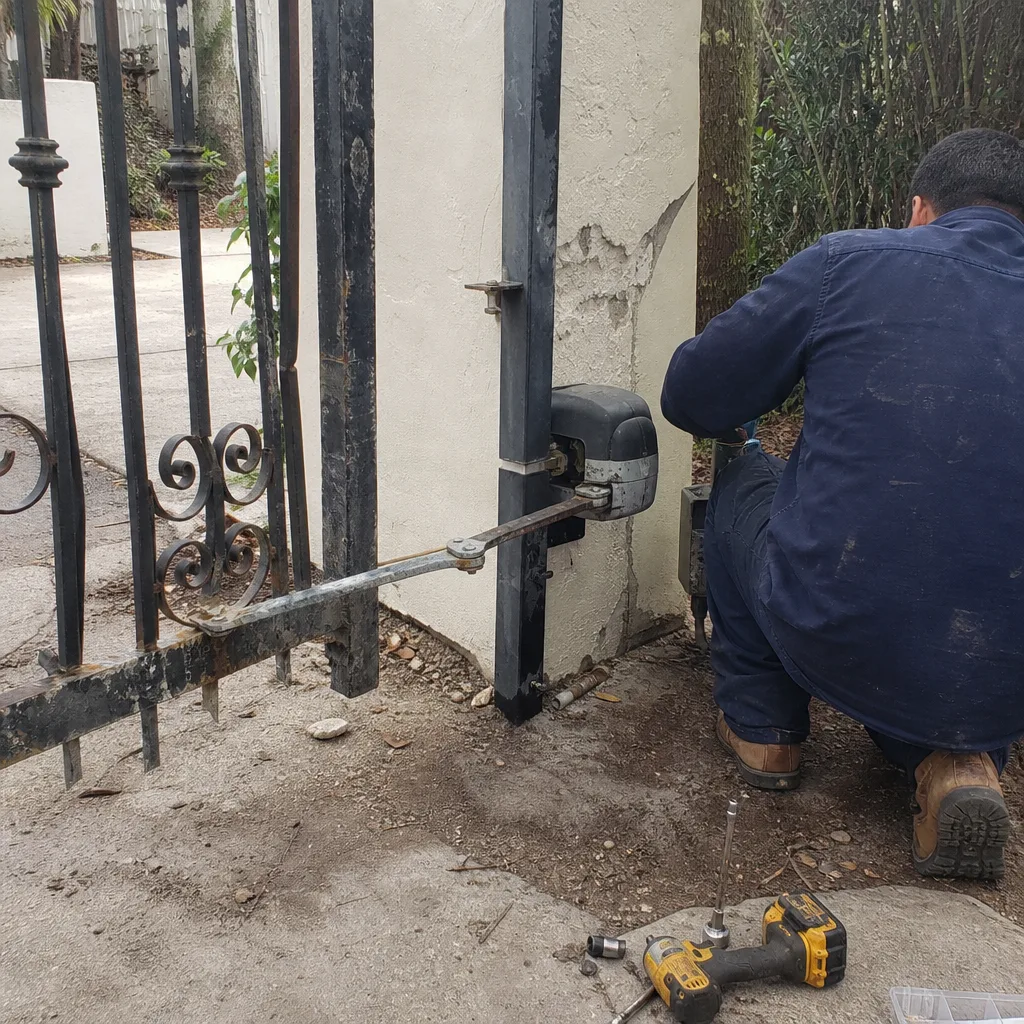 Before
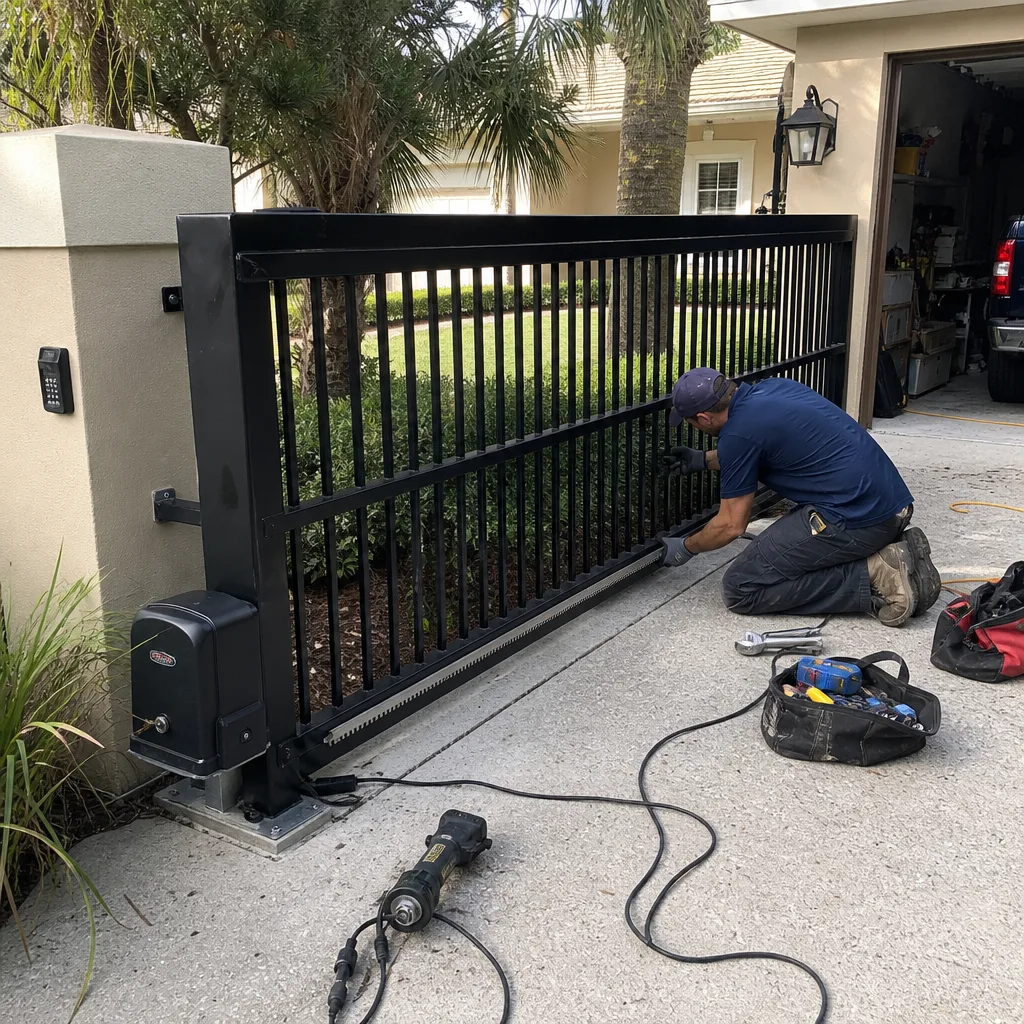 After
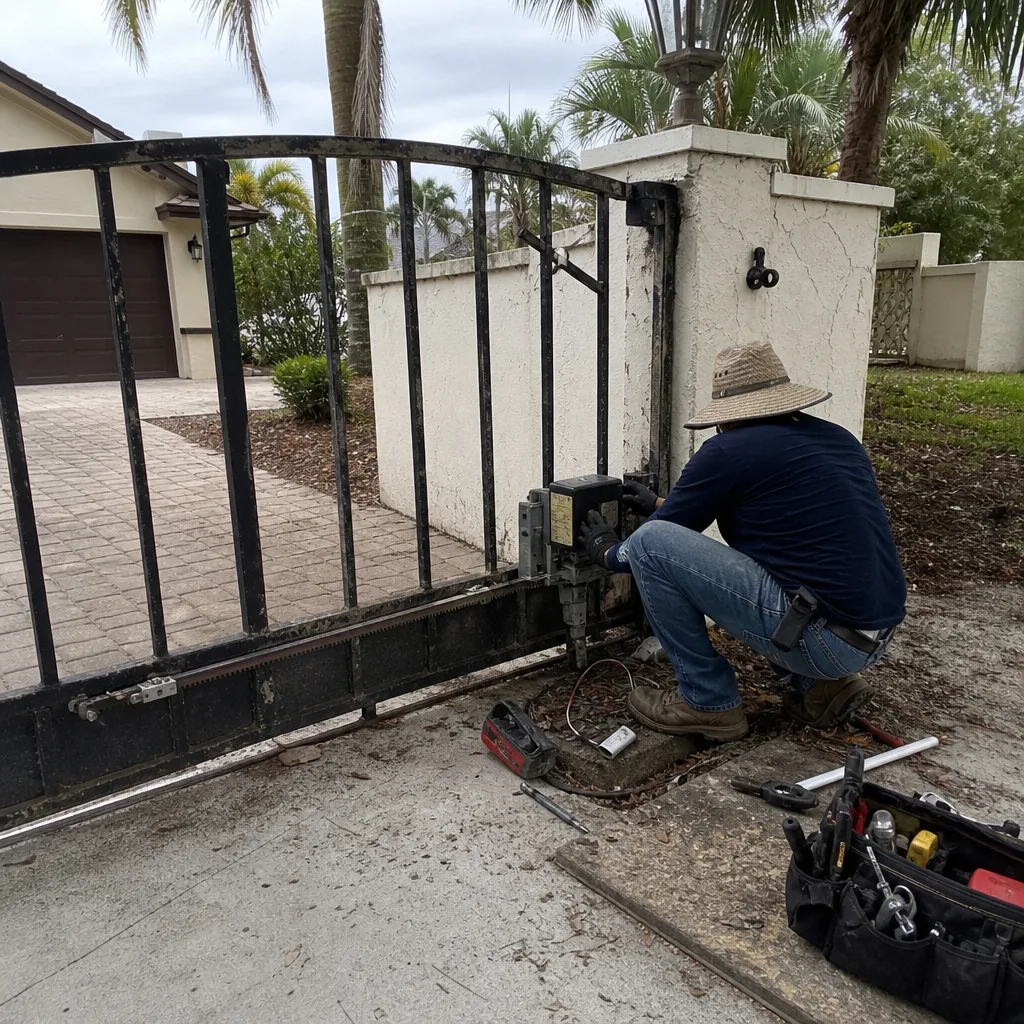 Before
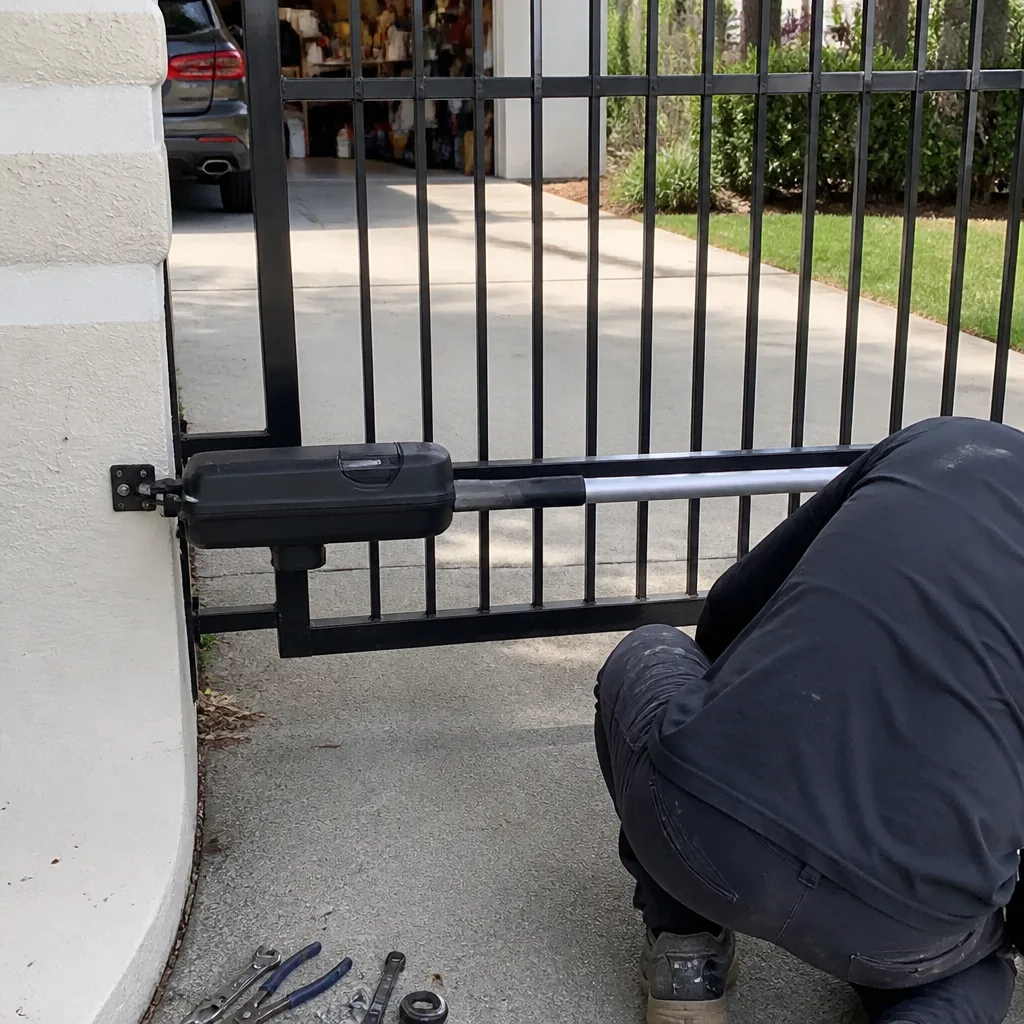 After
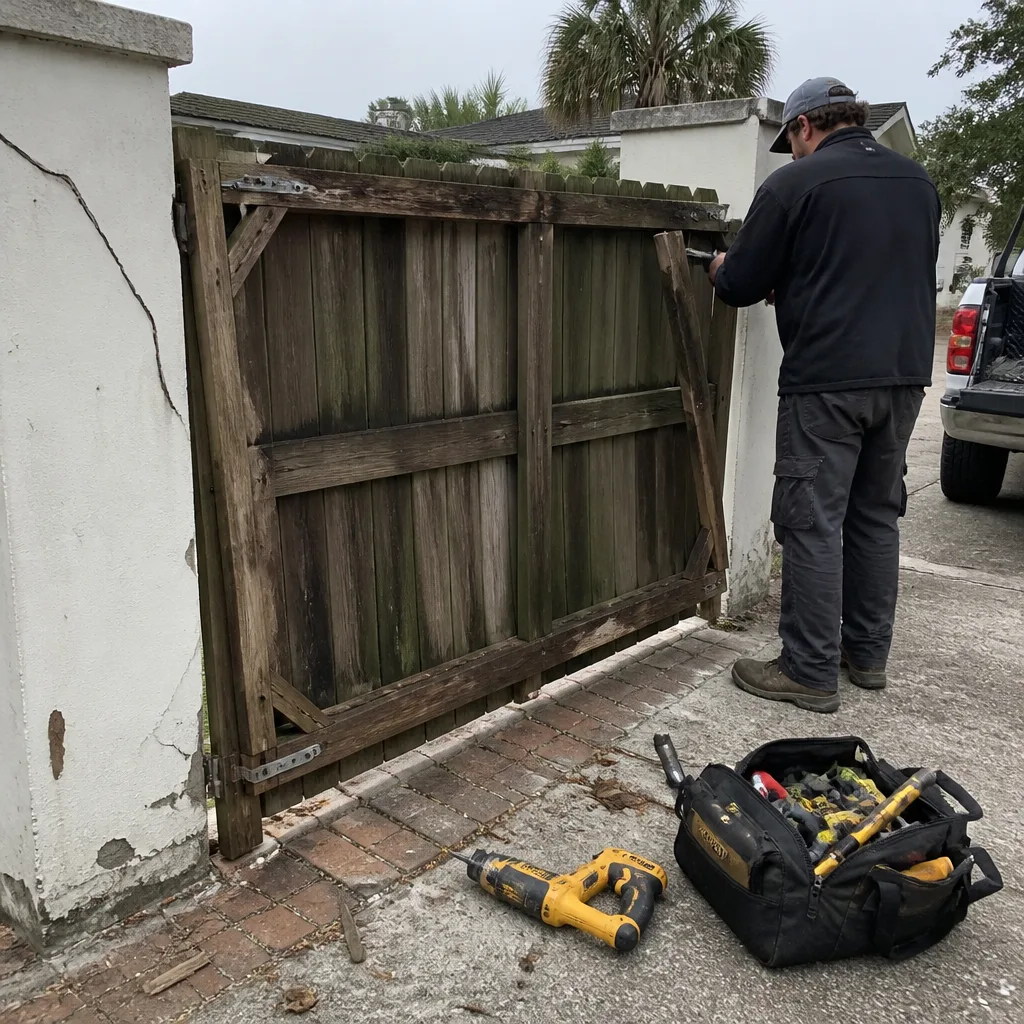 Before
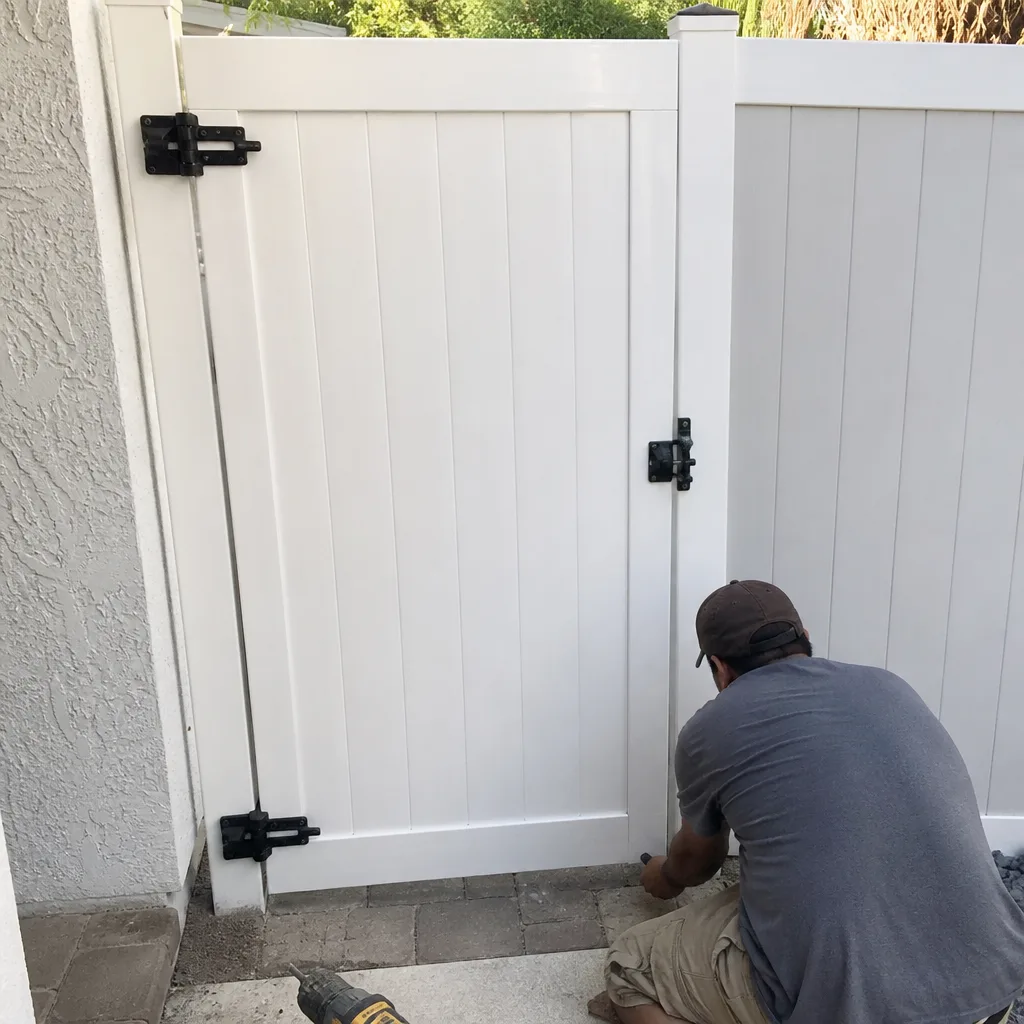 After